
Harrison Previous Residents by Record Era
Past residents require a trail that changes with the date. Deed and mortgage indexes preserve transfers, while census and directory sources describe households only at intervals. Municipal books, tax microfilm, maps, and estate records may explain a property even when they do not name every person who lived there. The table separates verified coverage from assumptions, so a researcher can start with the source that fits the address's time period.
| Source | Years it covers | Where held | What it can show |
|---|---|---|---|
| Harrison town record book | 1774-1855 reference | New York State Archives related A0768 microfilm | Early town context, meetings, roads, taxes, and disputes, not an occupant roster |
| Westchester deed grantor/grantee index | 1680-1907 | Westchester County Archives | Transfers, parties, and legal land descriptions |
| Westchester mortgage index | 1680-1897 | Westchester County Archives | Mortgage parties and record references |
| Westchester estate records | 1782-1909 | Westchester County Archives | Wills, estates, heirs, and administrators when present |
| Westchester maps | Circa 1766-present | County Archives, County Clerk, and GIS routes | Parcel and place context |
| Harrison municipal and tax records | 1914-1998 | New York State Archives Series A4774 microfilm | Town, county, and school tax assessments |
| New York State census | 1905 and 1915 Harrison rolls | Westchester Archives Series 19, roll A-0111 | Households between federal census years |
| Federal census | Public through 1950 | NARA, authorized digital providers, and listed historical-society holdings | Household names, ages, relationships, and place |
| Printed directories | Westchester 1860/61; White Plains 1903/04-1932 | NY State Library and nearby catalogs | Names and address clues; no Harrison-specific run located |
Start with a parcel and modern ownership only when the question is recent. For an early address, maps and Archives indexes may be the first usable evidence. The table is a research route, not proof of uninterrupted occupancy.
Keep the Harrison Parcel Key
Harrison's current process begins with eTRAKiT parcel search or the Assessor's records. Search by address, parcel number, or owner. Save the situs address, current owner, legal description, and mailing address if it appears, then write down the parcel identifier and date checked. eTRAKiT's public tabs include Parcel Info, Owner Info, Restriction Details, Land Use, Building, Legal Desc, and Inspections. The portal's visible generic demo row is not a Harrison record and must not be treated as one.
The site address is only one key. A mailing address can belong to a trust, estate, company, or elsewhere. A legal description identifies the land despite changed numbering, subdivisions, or old place names. That makes it safer than a bare street string when tracing past residents through several decades.
Note: Preserve the parcel identifier, legal description, municipality, postal place, and record date before changing from a town search to county land records.
Trace Harrison Past Residents Through Deeds
The Westchester County Clerk keeps the recorded land trail, not the Town of Harrison. Westchester Records Online, known as WRO, advertises a land index reaching from eighteenth-century deeds to judgments entered the prior week. Use the current purchaser as a grantee, then use the seller from that deed as a grantee in an earlier purchase. The object is a documented title chain, not a name match by itself.
- Use the parcel record to preserve the owner name and legal description exactly as shown.
- Find the current owner's purchase deed in the WRO grantor/grantee index.
- Record the grantor, grantee, recording date, document reference, and legal description.
- Search that earlier seller as a grantee, then repeat the backward sequence.
- Follow map or lot references when a subdivision changes the parcel or street number.
- Grantor
- The party transferring an interest in land in the deed being read.
- Grantee
- The party receiving that interest. In a backward search, that prior recipient can lead to an earlier purchase.
- Chain of title
- The ordered series of recorded transfers connecting one owner to an earlier owner.
- Legal description
- The lot, block, map reference, metes-and-bounds text, or other land description that identifies a parcel beyond its street address.
Harrison Previous Residents and the WRO Gate
WRO separates its free public index from images and reports that require registration and a paid subscription. The public landing page did not reveal the complete post-login land-search fields, a live Harrison deed result, image pricing, or an exact earliest online image year. Record the index reference even when the image is unavailable. That reference gives the County Clerk or an archive desk a precise item to retrieve.
Westchester Records Online's access screen shows the registration step that can stand between a Harrison previous-residents search and a deed image.
The screen confirms why an index reference should be saved first. A logged-out searcher may need an account or office-assisted retrieval before reviewing the supporting document image.
For county-held deeds, mortgages, liens, and maps, the Westchester County Clerk is the counter route. Court-file access is distinct from the land index, so do not assume a general town request replaces a County Clerk inquiry. The Clerk is in White Plains; its official contact page lists weekday public hours and access information.
Older Westchester Address Records
When the web index stops or an image requires help, move to the Westchester County Archives research-by-mail route or its reading room. The Archives publishes deed grantor/grantee coverage for 1680-1907, mortgages for 1680-1897, estates for 1782-1909, and maps from about 1766 to the present. These are the verified older-record channels for a Harrison address, not a claim that every image is online.
The Archives is at 2199 Saw Mill River Road in Elmsford. Its reading room requires photo identification, a research application, and call slips, with a three-item limit. The research-by-mail page lists a $15 individual record search, $25 hourly custom research, and $0.50 per page after the first ten pages. Use a grantor, grantee, date, or legal-description reference in the request whenever possible.
New York State Archives Series A4774 adds Harrison municipal and tax records from 1914-1998, while related A0768 microfilm includes a 1774-1855 Harrison record-book reference. Those records can date tax and local-government context, but they do not convert an owner name into a complete past-resident list.
Pair Harrison Past Residents With Census Dates
Ownership is only part of the history. For household evidence, compare a directory clue with the 1905 and 1915 Harrison state census rolls and public federal census records through 1950. The known directory leads are Westchester 1860/61 and White Plains 1903/04-1932. No complete Harrison directory run was located, so treat those editions as regional evidence and check their locality before assigning an address.
The household sequence is: directory lead or newspaper mention, then census household, then deed seller or buyer, then obituary or probate endpoint. Put the year beside each step. A directory may list a householder or telephone subscriber rather than every person there, and a census covers a date rather than every year between enumerations.
The New York State Library directory page is a useful first check for the Westchester and White Plains leads.
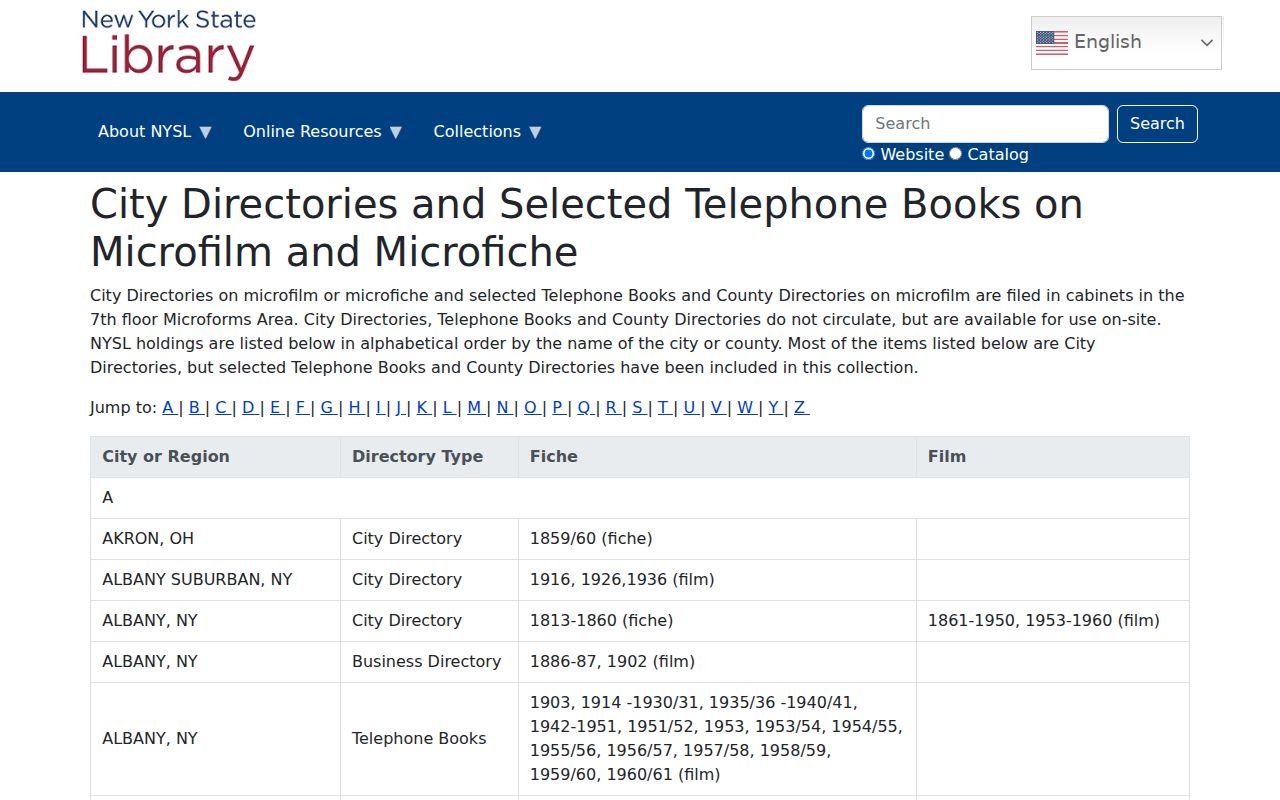
The State Library says its city, telephone, and county directories do not circulate, so the listed physical material must be used onsite. For the collections themselves and entry-reading method, use the Harrison city directory collections reference.
Harrison Previous Residents and Map Evidence
Maps can resolve a changed lot, building footprint, or place name, but they do not establish an occupant. The Library of Congress holds a 1930 White Plains Sanborn volume that notes North White Plains as part of the Town of Harrison. It supplies a regional building and street-context lead. No direct Harrison-town Sanborn volume was located in the official catalogs reviewed.
Compare a map sheet with the legal description, county map references, and a dated deed. Avoid reading the White Plains volume as a direct Harrison resident record. The same care applies when a property appears under a prior place name or boundary description.
Close Harrison Past Resident Trails
Newspapers, cemetery volumes, family files, and probate are trail endpoints. An obituary can supply a death date, relatives, or a former address. Probate may identify heirs or an executor. Neither automatically gives a present address, and both may be restricted or incomplete. The practical local combination is Harrison Public Library newspaper research, Westchester Historical Society holdings, cemetery material, and the proper probate route.
Harrison Public Library research tools include Gale/InfoTrac, New York State Newspapers, Fulton History, and Google News Archive. The published page does not promise a local obituary index or a house-history guide, so use a librarian or historian inquiry when a name search ends without a clear result.
The library research page is the source for its newspaper and archive-search options.

The Westchester County Historical Society library adds cemetery volumes, church records, census holdings, newspaper listings, and genealogy files. Its published collection summary is a research lead, so confirm the specific surname or collection before an appointment.
Harrison Address Names Can Shift
Early Harrison research can cross into Rye-linked records. Town sources differ on whether the separation is dated 1778 or described through an eighteenth-century law in 1788. Preserve that disagreement as a catalog clue rather than selecting one date as final. Also try Harrison, Town/Village of Harrison, West Harrison, Purchase, White Plains 10604, Harrison 10528, Purchase 10577, and Rye-related historical references when an address disappears.
Office names can shift too. Westchester's Register of Deeds was established in 1858, then abolished in 1938 when the function merged back with the County Clerk. Older descriptions may also use farm names, map lots, or metes-and-bounds instead of a modern street number. The legal description and dated source are what hold the chain together.
Note: No official Harrison house-history guide was located, so the reliable substitute is a librarian or historian inquiry combined with WRO, Archives, maps, and newspaper research.
Use Harrison Previous Residents Records Lawfully
Address history is most useful for family history, local history, estate questions, and understanding a building. It should not be used to pursue or contact a living person. Public availability varies by record, and protected registrations, sealed material, or redactions may limit what a researcher can see. A missing result does not authorize an attempt to work around those limits.
Personal-use boundary. Use Harrison past-resident research for lawful historical or property questions, and do not use it to stalk, harass, or harm anyone.
New York's stalking law and harassment law are relevant limits. Confirm any deed, tax, census, or archive result with the office that holds it before relying on the record.